The Self-Declared Life Plan: How to Put Your Care Preferences in Writing Before a Health Crisis
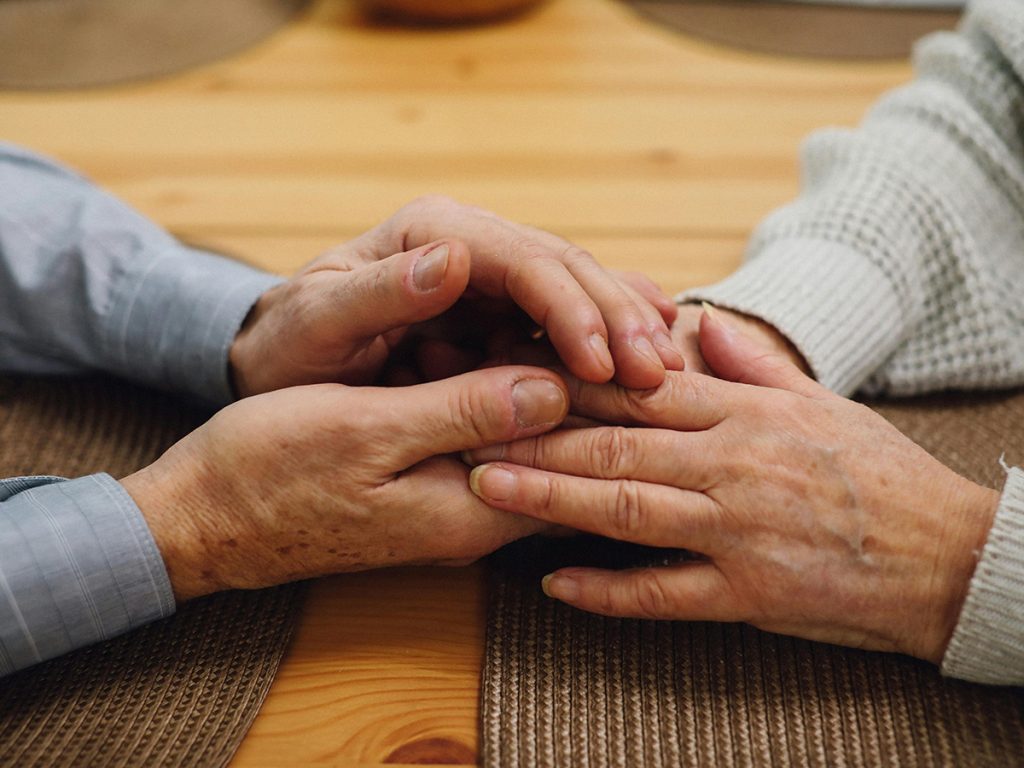
Your Care Preferences Matter: Put Your Life Plan In Place Before You Find Yourself Facing a Health Crisis
Have you thought about your self-declared life plan?
We humans love thinking about and planning for our futures. Typically, planning begins early and focuses on education, career, finances, family, and family goals. However, there is one area that is still overlooked by most people when thinking about the future.
One of the most meaningful preparations you can make is outlining how you want to be cared for if you’re ever unable to speak for yourself. Accidents and illnesses can take you by surprise.
A self-declared life plan is a written document that captures your personal care preferences, routines, values, and dignity-focused wishes. It goes beyond medical directives to offer a fuller picture of who you are and how you want to live, especially in times of vulnerability.
Why a Self-Declared Life Plan Matters
One of the most poignant and dramatic examples in recent history which perfectly highlights the importance of having a self-declared life plan is the COVID-19 pandemic. During this global crisis millions of people became ill and were unable to communicate. Life and death decisions had to be made by loved ones under enormous stress. We never know what life has in store for us. We certainly live expecting the best while keeping in mind that we can put plans in place for worst-case scenarios.
A self-declared life plan removes uncertainty, reduces conflict, and ensures that your voice remains central in your care. A self-declared life plan complements legal tools like advance directives or power of attorney documents. While those focus on medical decisions and legal authority, a life plan captures the everyday human details that define comfort, identity, and dignity. What follows are things to consider when creating a self-declared life plan.
Personal Care Instructions
Start creating your self-declared life plan by outlining your preferences for personal care. Include daily hygiene routines, grooming habits, and comfort needs. For example, you might specify how often you prefer to bathe or shower, what products you like to use, or whether you prefer assistance from a caregiver of a particular gender.
You can also include details about clothing preferences—such as favorite fabrics, modesty considerations, or how you like to dress for different occasions. These seemingly small details can have a big impact on your sense of well-being.
Preferred Routines and Daily Life
Next, consider preferred routines. Routines provide stability, especially during times of uncertainty. Document your typical daily schedule: when you like to wake up, eat meals, take walks, or relax. Include hobbies or activities that bring you joy, such as reading, listening to music, gardening, or watching specific shows.
If you have strong preferences about meals—such as dietary restrictions, favorite foods, or cultural dishes—be sure to include them. Mealtime is not just about nutrition; it’s also about comfort and familiarity.
You may also want to describe your social preferences. Do you enjoy frequent visitors, or do you prefer quiet and privacy? Are there specific friends or family members you’d like involved in your care or decision-making?
Religious and Spiritual Preferences
Faith and spirituality can play a central role in how people experience illness and care. Clearly state any religious practices, rituals, or beliefs that should be respected. This might include prayer routines, dietary laws, end-of-life rites, or preferences for spiritual counseling. If there are specific clergy members or spiritual leaders you’d like contacted, include names, and contact information. You can also note any religious holidays or observances that are important to you.
Cultural Norms and Values
In some instances, cultural identity shapes how people view health, caregiving, and dignity. Use your life plan to communicate any cultural norms that should guide your care. This might involve language preferences, communication styles, family roles, or traditions around food and healing. Clarifying these values helps caregivers and providers act in ways that align with your worldview.
Dignity-Focused Guidance
At the heart of a self-declared life plan is the preservation of dignity. Reflect on what dignity means to you. Is it maintaining independence as long as possible? Avoiding certain medical interventions? Being surrounded by loved ones? End-of-life preferences can also be addressed here, including your wishes for comfort care, pain management, and the environment in which you’d like to spend your final days.
Make It Practical
Once written, share your plan with trusted family members, caregivers, and healthcare providers. Keep copies in accessible places and review it periodically to ensure it reflects your current wishes. More importantly make updates when your preferences have changed.
A self-declared life plan is a gift that anyone can write which offers clarity to those who care for you and ensures that your life, values, and dignity are honored when you cannot speak for yourself. It is a more personal document that enhances a legal estate plan that includes healthcare and financial directives. To learn more about creating an estate plan, give my office a call today at 404-549-5001.
Looking to find an experienced estate lawyer in the Georgia area who is skilled in asset protection and estate plan preparation? Shannon Pawley is an attorney in Georgia with expertise in estate planning and asset protection. Shannon can provide assistance with creating an estate plan to include making a will and how to establish a trust properly. If you have questions about asset protection or questions about making an estate plan, reach out to Shannon and she will be glad to help answer all the estate planning questions you might have!